
Upgraded and optimized version of Borland Turbo C++
Turbo C++ is a modified version of the classic Borland Turbo C++ integrated development environment, specifically optimized to run on modern Windows operating systems. The original DOS-based software was a favorite for many programmers, but it became incompatible with newer versions of Windows. This program was developed to bridge that gap.
Top Recommended Alternative

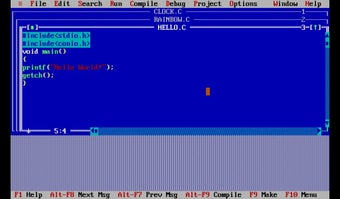
Turbo C++ offers a reliable solution for those who miss the classic C programming environment. It uses an emulator to create a virtual DOS machine, allowing it to run smoothly on Windows Vista, 7, 8, and newer versions. Designed to be simple, it makes the setup process easier than manual installation.
A better program
Turbo C++ retains all the beloved features of its predecessor, including the compiler, debugger, and the ability to set breakpoints. It also comes with additional tools, such as code inspection and tracing. A significant advantage is that this modified version is compatible with both 32-bit and 64-bit operating systems, a crucial feature for modern computers. It even includes example programs to help new users get started.
Beyond its core functionality, the program offers enhanced stability by running within an emulated environment. This helps eliminate many of the compatibility problems found in other methods of running DOS-based software on a modern Windows system. Its ability to run in both a windowed and a full-screen mode also adds to the user's convenience, mimicking the original experience for easier familiarization.
However, despite its improvements, the program is not without its issues. Certain keyboard shortcuts can malfunction depending on the user’s keyboard layout, especially on Windows 8, and some users have reported issues with laptop multimedia drivers. The program still requires a few manual code adjustments to function properly and may require a clean re-installation to avoid issues, which can be a hassle.
Historical significance of the original IDE
Turbo C++, originally developed by Borland, played a crucial role in popularizing C and C++ programming during the late 1980s and early 1990s. Its fast compilation speed, integrated debugging tools, and user-friendly interface made it a staple in both academic and professional environments.
Emulation technology and DOS compatibility
Modern versions of Turbo C++ rely on DOS emulation layers, commonly through tools like DOSBox, to recreate the legacy DOS environment. This approach ensures better compatibility with 64-bit Windows systems, where native DOS support has been completely removed, improving stability compared to older workaround methods.
Educational relevance in modern times
Despite being outdated, Turbo C++ continues to be used in educational institutions, especially in regions where legacy curricula still emphasize foundational programming. Its simple interface and minimal system requirements make it ideal for beginners learning basic syntax, logic building, and structured programming concepts.
Limitations with modern C++ standards
One of the biggest drawbacks is its lack of support for modern C++ standards such as C++11 and beyond. This means developers cannot utilize advanced features like auto typing, smart pointers, or modern libraries, making it unsuitable for professional or large-scale software development in today’s programming landscape.
Alternatives and modern IDE options
While Turbo C++ remains useful for nostalgia and learning, many developers now prefer modern tools like Code::Blocks, Dev-C++, or Visual Studio Code. These alternatives offer full support for modern compilers, extensions, debugging tools, and cross-platform development, making them more practical for current use cases.
Community support and continued usage
Although no longer officially maintained, Turbo C++ benefits from community-driven support, including guides, patches, and troubleshooting fixes shared across forums and educational sites. This ongoing support helps keep the software usable, even as operating systems continue to evolve.
An essential tool
In conclusion, Turbo C++ is a valuable tool for fans of the original IDE and students learning C/C++. It brings a classic programming environment into the modern era with enhanced stability and a simple installation. While it still has some lingering bugs and requires minor user intervention, it remains a reliable and highly convenient option for anyone looking to use this classic software.












.png)